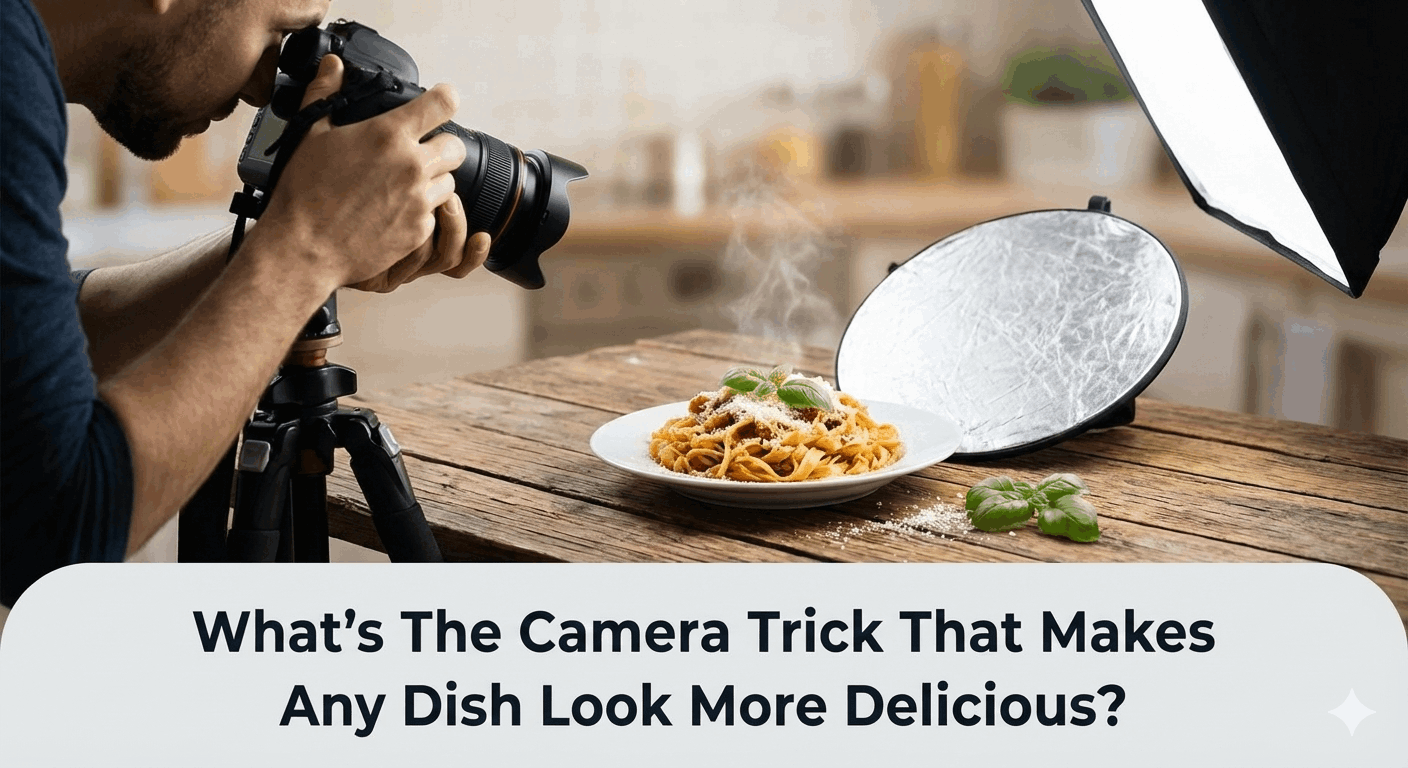
What’s The Camera Trick That Makes Any Dish Look More Delicious?

Food somehow draws people when it looks warm, fresh, and full of life. The right camera trick turns a simple plate into a moment that looks rich and comforting. Most restaurant owners would want their dishes to stand out, so that viewers stop and notice them, just like the charm an authentic meal has when viewed in person. They like warmth, color, and a story.
This spark often becomes easier to create when they use a restaurant video maker. These tools help to shape short clips for restaurant ads, food ad videos, fast-food ads, and dine-in ads. A good setup also helps creators test new ad templates and build strong ad creatives that draw attention in social feeds.
Keeping that in mind, Promo provides creators with an easy way to craft clear, smooth videos showcasing their food without a glitch. It allows them to create quick clips that feel warm, friendly, and full of life. With the easy-to-use tools and ready-made scenes, anyone can bring out the rich colors, soft light, and calm movement in a way that fits your brand’s story.
Remember, it is the concentration on camera tricks that makes any dish look even more appetizing. They create soft, warm light across the plate, guide the angle that naturally feels right to the eye, and shape the little moments when texture, steam, and color come alive. They give food an appearance that feels near, real, and full of flavor.
With that said, let’s look at the camera tricks that make any dish appear more delicious.
1. Soft Light Shapes the Dish and Makes It Feel Fresh
Soft light casts a gentle glow on food, making it look warm and natural. It captures the small details that actually make a dish look visually appetizing: the shine on sauces, the texture in crusts, and the crisp edges on fresh greens. It accentuates this subtlety in a very familiar, approachable way.
The light usually comes from a side source, spreading evenly on the plate. It enhances depth without creating strong shadow areas, which would give the impression that the dish is sitting in a softly lit room with natural daylight.
Colors appear more vibrant, textures are clear, and even steam or reflective objects feel alive. In food videos or restaurant advertisements, this type of lighting somehow brings viewers closer to the meal, making it almost seem real and accessible to them.
Many creators using restaurant video makers start with lighting, as it sets the mood for the whole scene. Soft, clean light gives a perfect base for presenting dishes nicely. It focuses the viewer’s attention on what is necessary, highlights textures, and makes every ingredient look good. It also ensures videos appear consistent and polished across different screens, from phones to larger monitors.
Soft light does more than illuminate a dish; it frames the meal in a manner that feels thoughtful and intentional. By focusing first on light, creators can transform simple plating into a visually compelling story that feels authentic, fresh, and appetizing.

2. Friendly Angle Makes the Food Easy to Enjoy
The angle is a significant factor in determining what the dish will look like – or how people will perceive it on a plate – as well as how the viewer might feel about it. When food is shot from a friendly angle, that angle will typically be slightly above the plate, providing a clear view of all the items on the plate while allowing the plate itself to be open to interpretation by the viewer.
If you shoot the food too high, the food will appear flat and two-dimensional. If you shoot too low, it may appear extremely heavy. Therefore, the happy medium for shooting food is somewhere between these two points, where you would naturally see the food when sitting at a dinner table.
By using this type of angle, the viewer will be able to identify with the meal on an intuitive level. Typically, you will see this friendly type of angle used in both fast food ads and dine-in promotions, such as restaurant ads and food advertisement videos, because it puts the viewer in the moment and creates the feeling as though they can just reach out and take a bite of the food.
A friendly angle will work nicely in conjunction with a video advertisement maker to keep the focus on the dish while providing an inviting, welcoming feel to the surrounding scene. Friendly angles also complement designs in the style of ad templates that focus on a casual dining experience or soft, warm lighting.
When you combine the correct angle with thoughtfully designed elements, you will create a scene that is visually appealing, appetizing, and clear to the viewer.
3. Small Motions Bringing the Dish to Life
Food is energized and alive with motion. The smooth motion across the table makes the dish serene and inviting; a light pull towards the plate summons a cozy sense of warmth. Such subtlety allows viewers to trace the lines of the dish with their eyes and take in the textures, shapes, and layers without them even realizing it.
With each move, food can expose itself a little more, making the scene almost rhythmic and smooth to the eye. Motion also serves to cue the viewer into what makes this meal most interesting: the sauce is creamy, the top is crunchy, and the center is steaming hot; each gets a moment to shine.
This allows the viewers an opportunity to appreciate all that is there; the experience is immersive this way. They feel like they are at the table, observing the unfolding of the meal. Nothing seems rushed, and nothing seems contrived. The food seems alive and accessible, and the scene captures the real essence of dining.
This principle is especially powerful in ad creatives, where small movements can transform a flat plate into an engaging visual story. It’s used quite frequently in fast-food ads to make the meals appear ready to pick up and consume, fresh and appealing.
In the dine-in ads, it’s often the subtle motion of the camera that captures the comfort and care in a plated meal, capturing both the atmosphere and the dish alike. Combine this considered motion with intelligent composition, and creators ensure every scene naturally draws viewers in, maintains attention, and presents the food as inviting, flavorful, and alive. Even simple movements, if purposeful, turn what would have been an ordinary video into an engaging one.
They convey life, fluidity, and emotion without diverting attention from the main focus of the camera, the food. Regardless of which one you are using in your video ad maker or template, it’s essential to understand how these subtle camera movements can impact perception.
4. Clean Backgrounds Keep the Plate in the Spotlight
Food needs space to shine. A busy background may distract the viewer’s attention from the dish, making it harder to appreciate its textures, colors, and details. A clean background will keep focus right where it belongs. Soft colors, natural textures, or simple surfaces can create a serene backdrop that complements your meal without competing for attention.
This structure works especially well for restaurant advertisements since it is highly modern, fresh, and intentional. Viewers can take in the dish at a glance without distractions, and the composition makes the food feel central and inviting. Everything around the plate supports the dish instead of overpowering it, allowing the message to come across clearly and naturally.
With the best restaurant video maker software for social media, creators will find it easy to implement clean backgrounds into their videos seamlessly. Most of these tools will offer templates, scene control, and light adjustments that keep the plate in the limelight, even when filming complex dishes or multi-course meals.
The top video creation tools for restaurant marketing also include features that make working with backgrounds as seamless as possible, ensuring restaurants maintain a consistent, polished, and professional image across all social media platforms.
5. Color Gives Life and Makes the Viewer Hungry
Color evokes an immediate response. It evokes emotion and captures the attention without the use of words. Warm golds evoke comfort and satisfaction within the viewer’s perception. Fresh greens bring brightness and energy. Deep reds create excitement and intensity.
A dish filled with color creates the perception of freshness and flavor. It is more appetizing and satisfying to the viewer. A thoughtful camera setup allows such colors to come alive naturally. The contrast adjustments bring out the clarity, while soft highlights further enhance the brightness without making the food items look artificial.
Even slight changes in lighting or exposure can make a dish go from flat to vibrant in an instant, making it as appetizing on screen as it is on the table. This balance will keep the food looking alive and realistic, capturing the textures of the juices and layers that make every single bite inviting.
This is most needed in food ad videos, where vivid and attractive colors will make any viewer pause and watch the video instead of scrolling down. Social media feeds fly by in high gear, and it’s the rich, natural color that commands attention in a split second.
Creators using a restaurant video maker for social posts benefit from color-enhancing features that remain natural, helping each clip feel fresh and inviting. Proper color balance helps the video look consistent on screens, so that every viewer sees the dish as intended, whether on their phone, tablet, or computer.
6. Texture Helps Viewers Imagine the Taste
Texture is a story told better with no words. A crisp crust needs small shadows to reveal its crunch, a smooth sauce requires soft light to showcase its shine, and a warm pastry needs close detail to reveal its softness. When the camera shows all these textures clearly, viewers start imagining the taste and smell.
Creators often use close shots to highlight the texture of the items. Close shots give viewers a glimpse into the heart of the dish. Honest details laid on-screen are very comforting and full of character. This approach is ideal for dine-in and fast-food ads, as simple items can have a rich quality.
People who build ad creatives with a restaurant video maker depend on texture to build emotion. The more real the texture feels, the deeper the viewer connects to the dish.
7. Steam and Fresh Cuts Add Flavor
The little details are what add warmth to the scene. Steaming from a hot main course signals that the food has just been cooked, giving the viewer a sense of freshness and immediacy. Carefully arranged slices, cuts, or garnishes highlight the textures and colors of the ingredients, making the dish more appealing and well thought out.
These little touches help the viewer connect with the food. The feeling of authenticity and quality arises, making this dish memorable without resorting to unnecessary action. They notice the freshness in presentation, inviting them into the scene.
This works well with simple ad templates and clean ad creatives. The steam effects in any restaurant video maker, or the way it showcases fresh cuts, can be achieved in a very organic and smooth way to make the dish pop without overcomplicating the entire video.
8. A Short Story Makes the Dish Feel Personal
A good food video gives viewers more than a picture. It gives them a moment. The story can begin with the plate landing on the table. It can show a hand reaching in. It can show a small garnish being placed at the end. These bits of action help the viewer feel connected to the dish.
The story doesn’t need anything fancy; it just needs a clear flow. There’s one moment softly leading into the next, witnessed by the viewer. The food becomes the hero. The camera follows along gently. The scene feels very real, warm, and human.
This simple storytelling suits a restaurant video maker well. It also fits well in restaurant ads and food ad videos, where people want to have at least a quick taste of the experience. A small story often makes the dish feel more valuable and more memorable.
Bring Dishes to Life
The camera trick that makes any dish look more appetizing is the use of soft light, friendly angles, gentle movement, and simple storytelling. When these pieces come into play together, food glows with warmth and color. It feels real and close, even on a small screen. Viewers can imagine taste, smell, and texture in just a few short moments.
This style will help people who create restaurant ads, fast-food ads, dine-in ads, food ad videos, and ad creatives shaped with ad templates. It also helps anyone who uses a restaurant video maker or looks for the best restaurant video maker software for social media or top video creation tools for restaurant marketing.
When the camera tells a warm, simple story, every dish becomes a moment worth sharing. And that moment can bring more people to the table.


